

Not long after the Conservatives and the Lib Dems won the UK election in May this year, the usual-suspect newspapers were predictably flushed with stories of allegedly scandalous ‘wild abandon’ waste being uncovered throughout government.
One story that stood out latched on to that quite a lot of government departments seemed to be commissioning iPhone apps (or, for those of us who have been around long enough to remember when we didn’t automatically abbreviate words of more than two syllables, ‘applications’). Some of these applications – it was derided in some quarters – cost the UK taxpayer an incredible £10,000!
Setting ire aside, the thing that ate at me just a little was that – in parts, and for all the wrong reasons – the ‘app-critics’ were just that little bit right. While I’m certain many of these applications will have saved far more money than they cost to create, there are also bound to be others that simply cost.
But what creative agency would indeed pass up the opportunity to hawk a lucrative mobile application to an app-hungry government department, NHS manager, quangos, NGO, and so forth, with each desperate to reach out to the iGeneration.
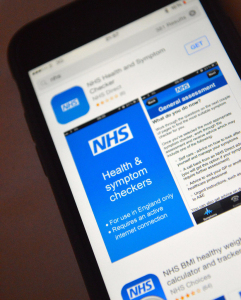
And how many government or quango managers, seeing their peers gaining kudos and acclaim from rolling out their latest engagement programme via the ultra-attractive iPhone and iPad platform, perceived their peers to be leaving them for dust and clamoured to get on that bandwagon?
A deadly combination of people not really too clued up on what they’re buying (but who have become convinced they simply must have what’s on offer), together with slick salespeople with an incredibly desirable, attractive, popular product, replete with whizzy menus, integrated Google maps, GPS positioning, and more – and certainly no commercial incentive to turn business away. Can you really blame either party when inappropriate applications come to market?
So, do you need an app design Agency?
This depends on your aims, circumstances, aspirations, your brand – in short, choosing whether to create an application over other forms of communication can be just as complicated as creating the item itself. Sometimes the solution will be glaringly obvious, other times it will require careful research to determine the best route. Sometimes, even if there is a more cost-effective route, your brand values simply dictate that a premium, exclusive route is the way to go.
Apps versus the Mobile Web
While some alternatives to applications can even be offline activities (such as billboards, leaflets, meeting people, word of mouth), the most likely to be a cost-effective, appropriate option versus dedicated application development is simply use of the mobile web.
Especially on the iOS devices (that’s iPod, iPad & iPhone in English), a Javascript enabled, mobile formatted website can feel incredibly ‘app-like’ and deliver similar functionality. If you are simply looking to deliver information that you already hold on your website, for example, you may not even need any web redevelopment – just a savvy conversion or addition to what you already have to make it mobile friendly. Take a look at Facebook, or even just BBC iPlayer, on your iPhone to see that at work.
So, what are the advantages and disadvantages of Apps vs Mobile Web?
Well for one, as we’ve seen, you don’t necessarily need to develop both web AND application – sometimes you can (cost-effectively) kill two birds with one stone. Also, bear in mind that any changes to your application may be costly to make, and require resubmission to a third party store, taking time to come to market – whereas, with the mobile web, the change can be immediate.
A second consideration not often thought about is reach. Is is often assumed that having an iPhone application gives much better reach than using the web. Well this really depends! There are thousands upon thousands of applications in the iTunes app store, all competing for attention. What is the appeal of your product? Are people really going to hunt it out? If you’re on the web, at least people can find you by searching in the way they do everyday. Your mobile web site can have further reach than a dedicated application.
There is also not much point in paying to develop an iPhone application, if most of your target audience are Blackberry users. A mobile web site should work regardless of platform.
The argument for Apps
There’s an awful lot of clever stuff inside today’s mobile devices, not least of all the ability to determine location using GPS, and use the devices’ built-in camera (and even combine the two to create an interesting ‘augmented reality’ effect!).
Your application can also be available off-line, storing information on the device itself and tap into other aspects of the phone, such as its graphical capabilities to create sophisticated 3D games.
In short, amazing products can be created for phones that can knock the socks off anything the mobile web currently has to offer.